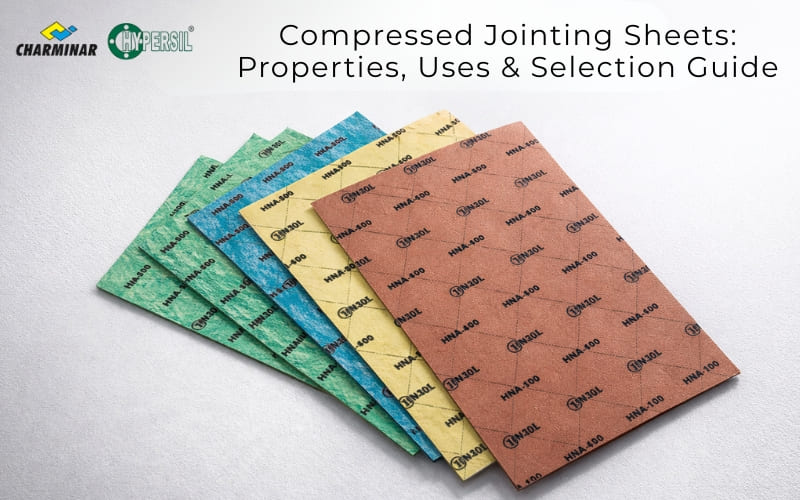
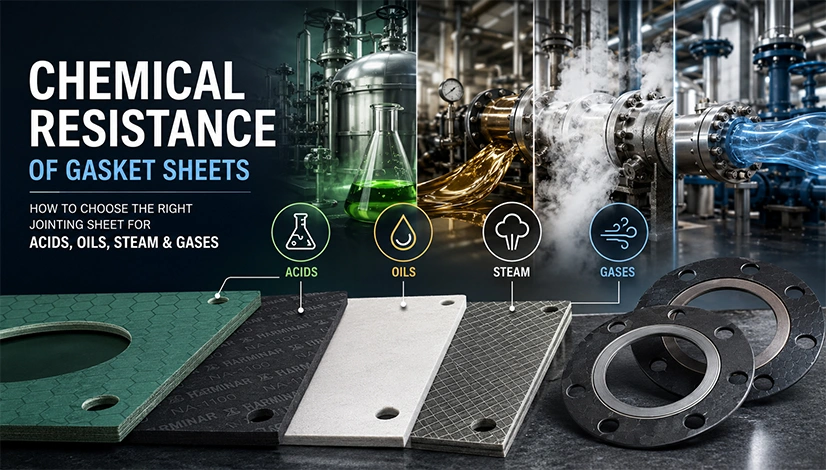
In industrial sealing, a gasket does more than fill a gap between flanges. It protects people, equipment, uptime and the environment. Chemical Resistance of Gasket Sheets is one of the first checks when a plant handles acids, oils, steam, gases, solvents or mixed process media. A sheet that works in water may not remain reliable in hot oil, dry gas, concentrated acid or cyclic steam.
This guide explains Chemical Resistance of Gasket Sheets in practical language, so engineers and purchase teams can choose the right jointing sheet for pumps, boilers, compressors, utilities, pipelines and maintenance jobs.
Why Chemical Resistance of Gasket Sheets Matters
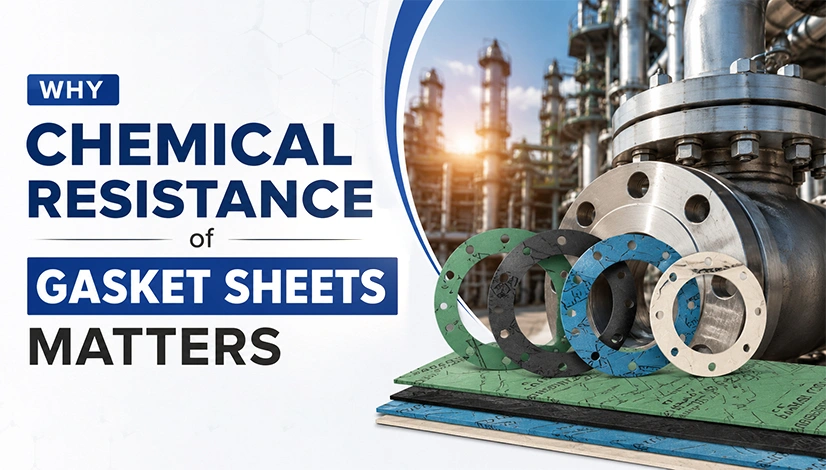
Chemical Resistance of Gasket Sheets matters because every medium attacks sealing material differently. Acids can soften binders, oils may swell elastomers, steam combines heat with pressure cycling, and gases may escape through tiny leakage paths. When the material loses recovery, becomes brittle or changes thickness, leakage can start even if installation looked correct.
A reliable jointing sheet should maintain compression, resist the process medium and recover after small flange movements. Chemical resistance is generally the ability of a material to withstand chemical exposure without unacceptable change; see Wikipedia’s chemical resistance reference for a simple definition. In plant language, Chemical Resistance of Gasket Sheets helps prevent shutdowns, contamination and safety incidents.
Chemical Compatibility vs General Gasket Strength
Many buyers select a gasket sheet by thickness, pressure rating or temperature rating. These factors matter, but they do not replace Chemical Resistance of Gasket Sheets. A strong sheet can still fail if the chemical medium is incompatible, and a sheet suitable for cool water may be unsuitable for hot caustic or concentrated acid.
Chemical compatibility means the sheet, fibre, filler and binder system can tolerate the medium at operating condition. General strength means it can handle compression and load. The right selection balances both, so Chemical Resistance of Gasket Sheets should be checked with exact service data, not only a broad product description.
Chemical compatibility of gasket material
The chemical compatibility of gasket material should be checked with the actual medium, concentration, temperature and exposure time. Do not assume all acids, oils or gases behave the same. Chemical Resistance of Gasket Sheets is safest when evaluated with real plant conditions.
How to Read Chemical Resistance of Gasket Sheets Charts
A chemical resistance chart is a practical starting point. Charminar Jointings provides a Chemical Resistance Chart for Jointing Sheets that compares HNA grades against substances such as acetic acid, hydraulic oil, diesel oil, hydrogen, natural gas, steam and water. Use this internal page while shortlisting grades for common industrial media.
Most charts use ratings such as suitable, conditional or not recommended. Before approval, check whether the rating is based on standard temperature, specific concentration or typical exposure. Chemical Resistance of Gasket Sheets can change when temperature rises, the medium is concentrated, or pressure cycling is frequent.
Chemical Resistance of Gasket Sheets chart reading tips
First identify the exact medium. Then confirm concentration and temperature. Next compare the suggested grade with pressure, flange finish and installation method. Finally, consult the manufacturer when service involves mixed media, critical equipment or unknown chemicals.
Choosing Jointing Sheets for Acids
Acid service needs careful selection because small chemical attack can reduce sealing life. Mild organic acids may be easier to seal than concentrated mineral acids. Dilute sulphuric acid, phosphoric acid and acetic acid behave differently from stronger concentrations. Chemical Resistance of Gasket Sheets should always be checked against acid type and percentage.
For acid lines, look for jointing sheets designed for chemical resistance, stable compression and low leakage. Also check flange finish and bolt load because acid leaks can damage equipment and create safety hazards. A sheet acceptable for dilute acid may not suit concentrated nitric acid or hydrofluoric acid.
Choosing Gasket Material for Oils and Fuels
Oil service is common in refineries, power plants, compressors, pumps and utilities. Oil resistance depends on base oil, additives, temperature and pressure. Hydraulic oil, transformer oil, diesel oil, kerosene and aromatic fuels may not affect a sheet in the same way. Chemical Resistance of Gasket Sheets helps avoid swelling, softening and loss of recovery.
For oils and fuels, choose a jointing sheet with proven oil compatibility, good compressibility and stable thickness under load. If the application involves hot oil, vibration or thermal cycling, match the product to service data and confirm it with manufacturer resistance information.
Steam and Hot Water Jointing Sheet Selection
Steam applications combine temperature, pressure and condensate. Chemical Resistance of Gasket Sheets for steam is also about heat resistance, relaxation resistance and recovery after thermal cycling. A weak sheet can crush, harden or lose load, causing leakage after repeated heating and cooling.
For boilers, heat exchangers and utility lines, use jointing sheets designed for steam and hot water service. Check maximum temperature, pressure, flange type and installation procedure. Even a compatible material can leak if it is under-compressed or unevenly loaded.
Gas Sealing: Natural Gas, Hydrogen and Air
Gas sealing needs extra care because gases can escape through very small paths. Natural gas, hydrogen, nitrogen, oxygen and compressed air require low leakage performance and stable compression. A gasket is a mechanical seal that fills space between mating surfaces to help prevent leakage; Wikipedia’s gasket overview explains this function. In real plants, Chemical Resistance of Gasket Sheets must be combined with permeability, surface finish and bolt-load checks.
Hydrogen deserves special attention because it is light and difficult to contain. For gas applications, choose a jointing sheet suitable for the gas, pressure and temperature. Chemical Resistance of Gasket Sheets is only one part of safe gas sealing; installation quality is equally important.
Common Mistakes in Chemical Resistant Gasket Sheet Selection
The first mistake is selecting by price only. The second is using one material for every medium. The third is ignoring concentration. The fourth is forgetting cleaning chemicals that contact the gasket during shutdown. The fifth is copying an old specification after process conditions changed.
If a plant increases temperature, changes chemicals or modifies pressure, Chemical Resistance of Gasket Sheets must be reviewed again. A small process change can create a large sealing problem.
Non-Asbestos Gasket Sheet Selection
Modern non-asbestos gasket sheet selection should consider media compatibility, temperature, pressure, flange condition, safety compliance and environmental expectations. Charminar Jointings manufactures industrial gasket and jointing sheet products for oil, gas, chemical, automotive, power and heavy engineering. Explore the product range on the Charminar Jointings home page.
Final Checklist Before Buying Jointing Sheets
Before ordering, confirm the medium name, concentration, operating temperature, pressure, flange standard, gasket thickness, surface finish and installation method. Ask whether the service is continuous, intermittent or cyclic. Check for mixed chemicals or cleaning agents. Then compare the details with the manufacturer’s grade data.
Chemical Resistance of Gasket Sheets should be treated as a selection process, not a single keyword on a datasheet. The right jointing sheet improves sealing reliability, reduces leakage risk and supports safer industrial operations. For critical applications, contact the manufacturer before finalizing the gasket material. This final Chemical Resistance of Gasket Sheets review is the safest way to avoid wrong material selection.
FAQs on Chemical Resistance of Gasket Sheets
What is Chemical Resistance of Gasket Sheets?
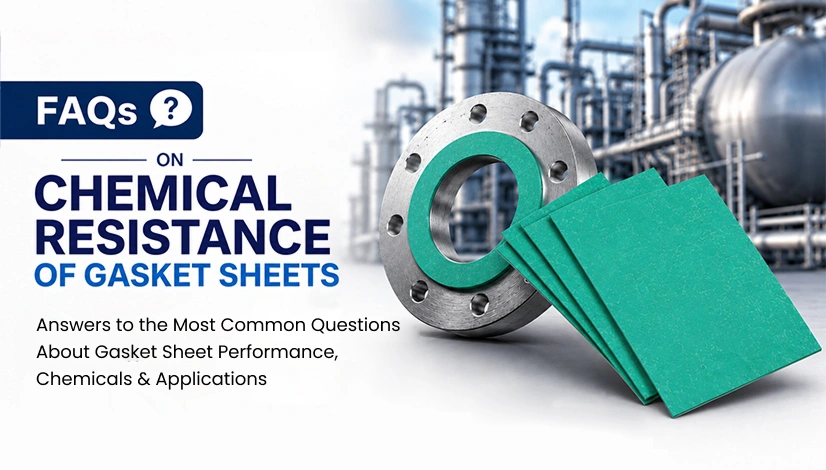
Chemical Resistance of Gasket Sheets is the ability of a gasket sheet to remain stable when exposed to acids, oils, steam, gases or other industrial media without swelling, cracking, softening or losing sealing performance.
Can one jointing sheet handle acids, oils, steam and gases?
Some grades handle many common media, but no single sheet is best for every condition. Always check Chemical Resistance of Gasket Sheets against exact medium, temperature and pressure.
Is thickness enough to decide gasket performance?
No. Thickness supports sealing geometry, but Chemical Resistance of Gasket Sheets, compressibility, recovery and installation quality decide long-term performance.
When should I contact the manufacturer?
Contact the manufacturer for concentrated chemicals, mixed media, high pressure, hydrogen, oxygen, unknown fluids or safety-critical equipment. This helps verify Chemical Resistance of Gasket Sheets before purchase.