
Industrial sealing systems fail not because of poor equipment, but because of incorrect gasket material selection. For decades, asbestos gasket sheets dominated industrial applications. Today, safety regulations, health awareness, and material science have shifted the industry toward non-asbestos alternatives. Understanding the Difference Between Asbestos and Non-Asbestos Gasket Sheets is critical for engineers, procurement teams, and plant managers aiming for safe, compliant, and high-performance operations, especially in the Indian industrial ecosystem.
Understanding the Difference Between Asbestos and Non-Asbestos Gasket Sheets
The Difference Between Asbestos and Non-Asbestos Gasket Sheets lies in material composition, safety, performance range, and regulatory acceptance. Asbestos gasket sheets are manufactured using asbestos fibers bonded with elastomers, offering excellent heat resistance and compressibility. However, asbestos is a proven health hazard, leading to global restrictions.
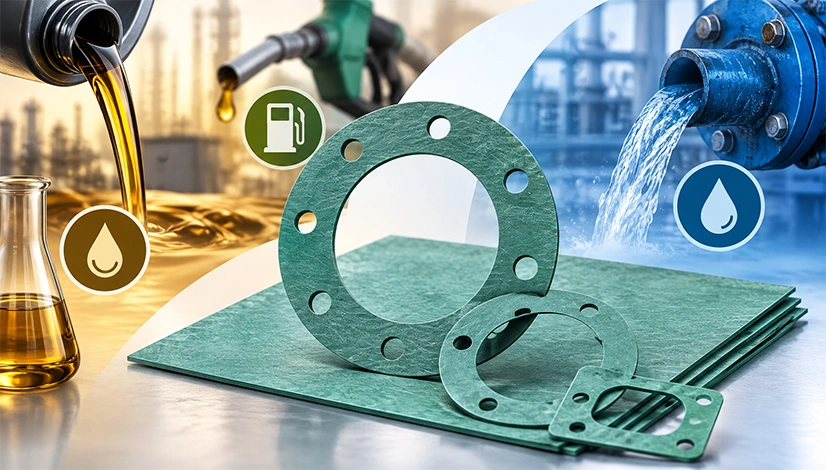
Non asbestos gasket sheets, on the other hand, are engineered using synthetic fibers such as aramid, cellulose, mineral fibers, and elastomers. These materials are designed to match or exceed the sealing performance of asbestos while eliminating health risks. In modern gasket sheet material comparison studies, non-asbestos options consistently score higher on safety, compliance, and lifecycle cost.
From a performance perspective, asbestos gasket material still handles extreme temperatures well, but non asbestos gasket material provides a more balanced profile across temperature, pressure ,chemical resistance, and sustainability, making it the preferred choice in most industrial gasket materials today.
Material Composition and Manufacturing Differences
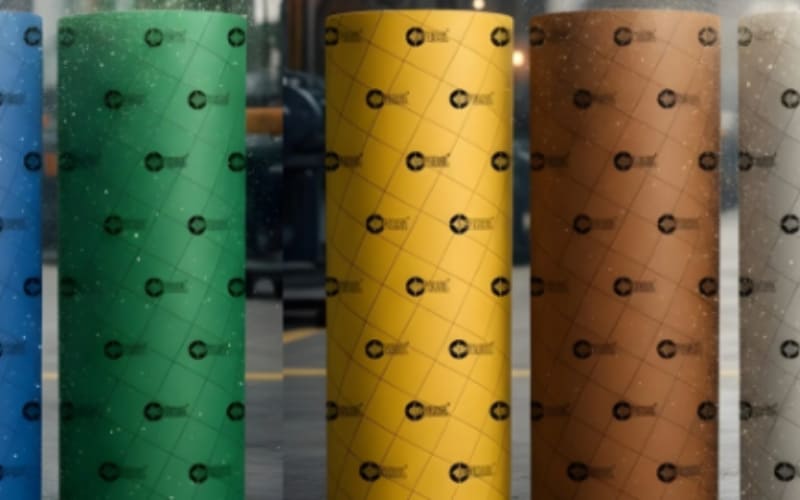
Asbestos gasket sheets use naturally occurring asbestos fibers mixed with rubber binders. These fibers provide excellent thermal insulation and mechanical strength, which is why compressed asbestos gasket sheets were widely used in steam lines, boilers, and high-temperature flanges.
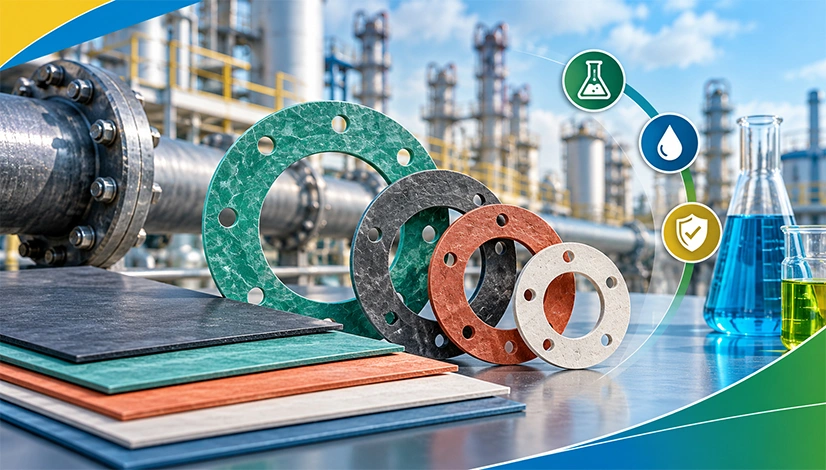
Non asbestos jointing sheets replace asbestos fibers with safer alternatives:
- Aramid fibers for tensile strength
- Cellulose fibers for flexibility and sealing conformity
- Mineral fibers for thermal stability
- NBR or other elastomers for chemical resistance
Manufacturers like Charminar Jointings employ advanced beater addition and compression technologies to ensure uniform fiber dispersion, density control, and consistent sealing performance. This manufacturing precision significantly reduces leakage risks compared to older asbestos-based processes.
From a gasket sheet material comparison standpoint, non-asbestos materials offer better consistency, reduced aging, and superior adaptability to modern industrial systems.
Performance Comparison: Temperature, Pressure, and Chemical Resistance
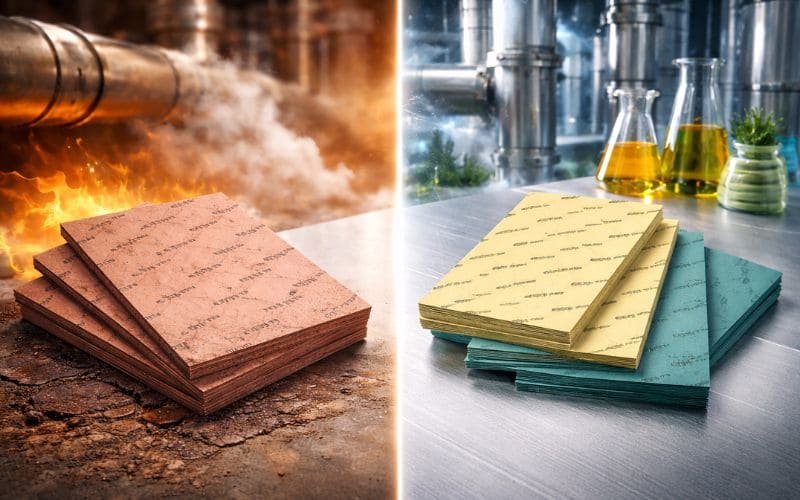
A common misconception is that non asbestos gasket sheets cannot match asbestos in performance. In reality, modern formulations have closed this gap significantly.
Asbestos gasket sheets perform well at:
- Very high temperatures
- Dry steam applications
- Static flange connections
However, they degrade faster under chemical exposure and cyclic loading.
Non asbestos gasket sheets excel in:
- Wide temperature and pressure ranges
- Resistance to oils, fuels, acids, and solvents
- Dynamic industrial environments
In asbestos vs non asbestos gaskets testing, non-asbestos materials demonstrate superior resilience under fluctuating pressure and temperature cycles. This makes them ideal for refineries, chemical plants, power stations, and food-grade applications.
Health, Safety, and Regulatory Compliance in India
One of the most critical factors in the Difference Between Asbestos and Non-Asbestos Gasket Sheets is health impact. Asbestos fibers are carcinogenic when inhaled, leading to severe respiratory diseases. Because of this, asbestos gasket material is heavily regulated or banned in many countries.
In India, while asbestos use is not entirely banned, industries increasingly prefer non asbestos gasket sheets in India to meet global compliance standards, export requirements, and corporate safety policies. Non-asbestos materials eliminate airborne fiber risks during installation, removal, and maintenance.
From an EEAT standpoint, choosing non-asbestos materials signals responsible manufacturing, worker safety commitment, and long-term operational sustainability.
Industrial Applications and Usage Scenarios
Asbestos gasket sheets are still found in legacy systems, particularly in older power plants and steam-heavy installations. However, their use is steadily declining.
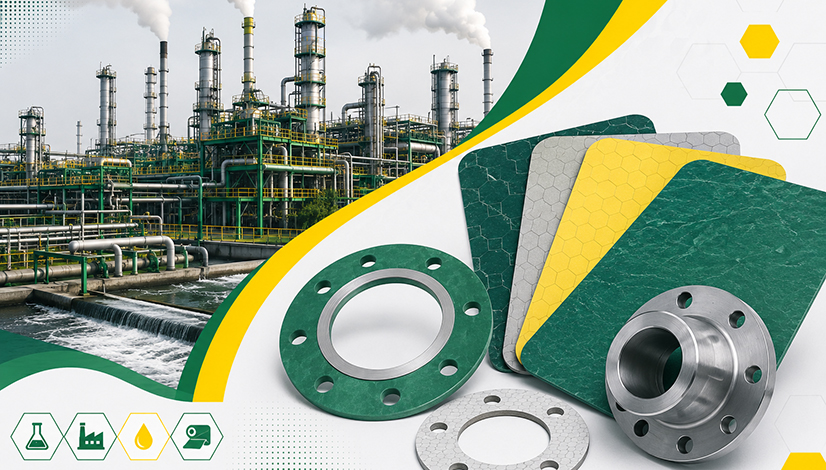
Non asbestos gasket sheets are now widely used across:
- Oil and gas pipelines
- Chemical processing units
- Power generation facilities
- Automotive and heavy engineering
- Food and pharmaceutical plants
When selecting industrial gasket materials, application-specific requirements such as flange type, media compatibility, and pressure class must be evaluated. This is where non asbestos gasket material offers greater versatility without compromising sealing integrity.
Comparison Table: Asbestos vs Non-Asbestos Gasket Sheets
| Parameter | Asbestos Gasket Sheets | Non-Asbestos Gasket Sheets |
| Health Safety | Hazardous | Safe |
| Regulatory Acceptance | Restricted | Widely accepted |
| Temperature Resistance | Very high | High to very high |
| Chemical Resistance | Moderate | Excellent |
| Environmental Impact | Poor | Eco-friendly |
| Modern Industrial Use | Declining | Industry standard |
How to Choose the Right Gasket Material
Choosing between asbestos and non-asbestos is no longer just a technical decision, it is a compliance and safety decision. Modern plants prioritize non asbestos gasket sheets due to:
- Global acceptance
- Safer handling
- Comparable or better performance
- Lower long-term liability
Manufacturers such as Charminar Jointings offer a comprehensive range of non asbestos jointing sheets designed for Indian and international operating conditions. Internal testing, quality certifications, and application engineering support further strengthen material reliability.
Frequently Asked Questions (FAQs)
What is the main difference between asbestos and non-asbestos gasket sheets?
The primary difference lies in safety and composition. Asbestos gasket sheets use hazardous asbestos fibers, while non-asbestos gasket sheets use safe synthetic fibers with comparable sealing performance
Are non-asbestos gasket sheets suitable for high-temperature applications?
Yes. Modern non asbestos gasket material is engineered to handle high temperatures and pressures, making it suitable for steam, oil, and chemical applications.
Is asbestos gasket material still used in India?
Limited usage exists in older systems, but most industries now prefer non asbestos gasket sheets in India due to safety and export compliance requirements.
Which gasket material is better for chemical resistance?
Non asbestos gasket sheets generally offer superior chemical resistance compared to asbestos gasket material.
Making the Safer and Smarter Choice
The Difference Between Asbestos and Non-Asbestos Gasket Sheets is clear when viewed through performance, safety, and regulatory lenses. While asbestos gasket sheets played a historical role, modern industrial demands favor non-asbestos solutions that protect people, processes, and profitability.
For industries seeking reliable, compliant, and high-performance sealing solutions, partnering with experienced manufacturers like Charminar Jointings ensures access to advanced non-asbestos gasket technologies tailored for Indian industrial conditions.
Choosing the right gasket today isn’t just about sealing, it’s about building a safer and future-ready operation.