As energy systems move toward cleaner fuels, industrial plants need sealing materials that can handle changing media, tighter leak expectations and demanding flange conditions. Hydrogen-Ready Gasket Materials help engineers choose jointing sheets for hydrogen, natural gas, blended fuel streams and critical process applications where leakage control is not optional.
Hydrogen is light, low density and difficult to seal compared with many industrial gases. That is why Hydrogen-Ready Gasket Materials should not be chosen only by thickness or price. The right gasket sheet must match the media, pressure, temperature, flange condition, bolt load and maintenance environment.
This guide explains how to evaluate Hydrogen-Ready Gasket Materials for future fuel sealing without over-engineering or compromising reliability.
What Are Hydrogen-Ready Gasket Materials?
Hydrogen-Ready Gasket Materials are jointing sheets selected for sealing systems where hydrogen, natural gas, fuel gas blends or other low-molecular-weight gases may be present. The term does not mean one universal sheet works everywhere. It means the gasket material is evaluated for leakage resistance, compressibility, recovery, chemical compatibility and load retention under real operating conditions.
In industrial practice, Hydrogen-Ready Gasket Materials may include compressed non-asbestos jointing sheets, wire-reinforced jointing sheets, beater addition sheets and other engineered gasket materials depending on the pressure, temperature and service duty. The final choice should be based on application data, not assumptions.
Why Future Fuel Sealing Needs Better Gasket Selection
Hydrogen is widely discussed as a future energy carrier because it can support decarbonization in hard-to-electrify sectors. You can read more about hydrogen as an element on Wikipedia. However, from a sealing point of view, hydrogen brings practical challenges. It is a small molecule and can escape through weak flange joints, poor installation practices or incompatible gasket materials.
The rise of the hydrogen economy is also changing how plants think about pipelines, compressors, valves, skids and storage systems. As India works on green hydrogen production and demand creation, more industries may need to prepare assets for new fuel streams.
Hydrogen-Ready Gasket Materials and Low Leakage Performance
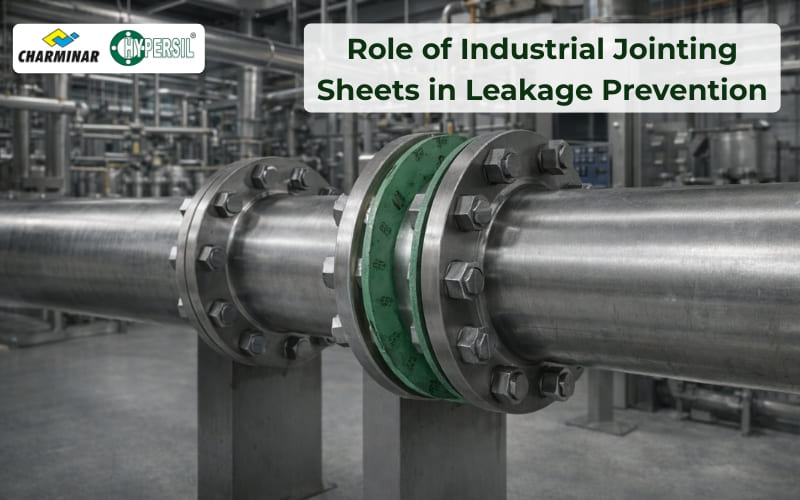
Low leakage performance depends on the full joint system. Even the best gasket sheet can fail if the flange face is damaged, bolts are unevenly tightened or operating conditions exceed the sheet rating. Hydrogen-Ready Gasket Materials need proper assembly, torque sequence and clean installation.
Hydrogen-Ready Gasket Materials for Natural Gas Blending
Future fuel sealing may involve hydrogen blended with natural gas, fuel gas lines or process gases. When hydrogen enters the mix, gasket selection becomes more sensitive because the joint must maintain tighter sealing under pressure cycling and temperature variation.
This is especially important in brownfield plants where older pipelines, valves and flanges may not have been designed with new fuel blends in mind. A practical review of gasket material, flange finish, available bolt load and inspection history can reveal weak points before conversion trials begin. This proactive approach supports safer commissioning, fewer shutdown surprises and better documentation for audit teams.
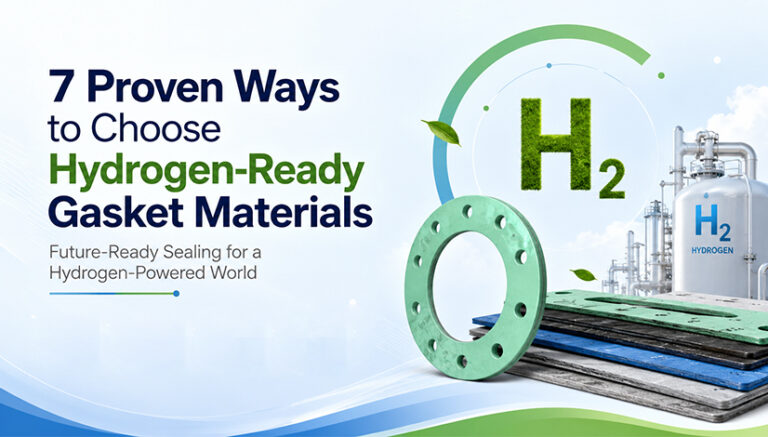
7 Proven Ways to Choose Hydrogen-Ready Gasket Materials
1. Check Media Compatibility Before Selecting the Jointing Sheet
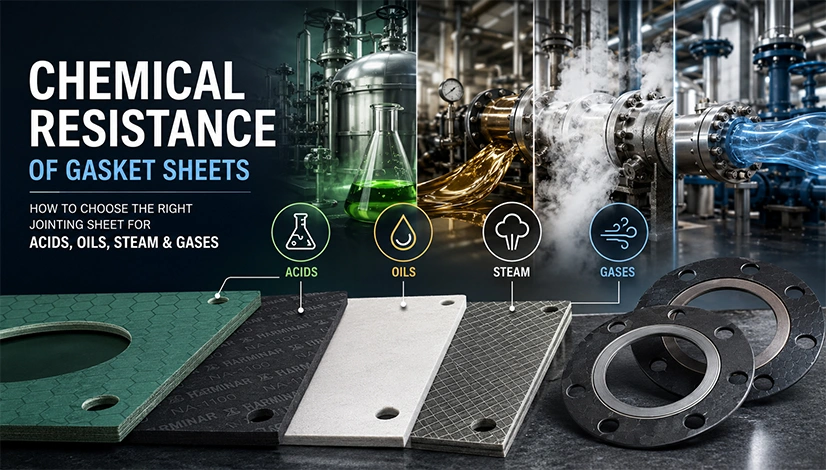
The first step is to match the gasket sheet with the actual media. Hydrogen, natural gas, steam, lubricating oil, condensate and process chemicals can behave differently. Hydrogen-Ready Gasket Materials should be checked against a reliable chemical resistance chart before final selection. Use Charminar Jointings’ Chemical Resistance Chart for Jointing Sheets for preliminary grade shortlisting.
2. Match Temperature and Pressure with Real Operating Data
Do not select Hydrogen-Ready Gasket Materials only from maximum catalogue values. Every plant has startup conditions, shutdown cycles, vibration, thermal expansion and pressure surges. Always consider continuous temperature, peak temperature, working pressure and sudden pressure changes.
3. Evaluate Compressibility and Recovery for Flange Sealing
Compressibility helps the gasket conform to flange surface irregularities, while recovery helps it maintain sealing stress after loading and relaxation. Hydrogen-Ready Gasket Materials require a balanced combination of both. Too soft a sheet may crush; too hard a sheet may not seal minor imperfections.
4. Choose Wire-Reinforced Grades for Demanding Mechanical Conditions
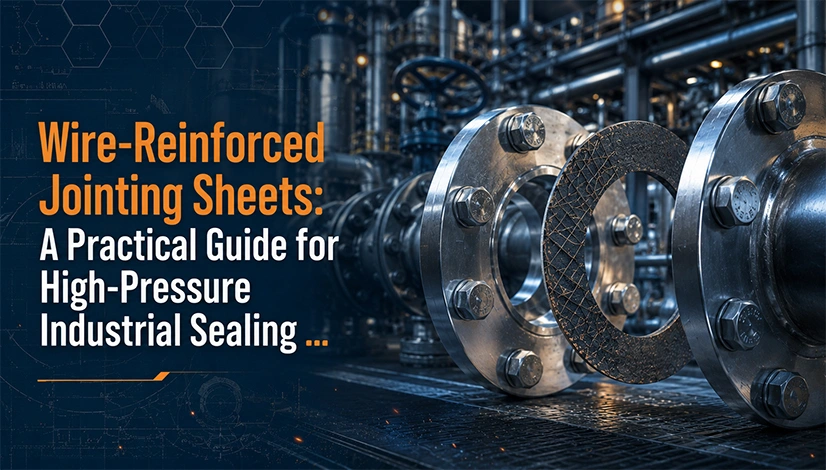
For high-pressure, high-temperature or vibration-prone applications, wire-reinforced jointing sheets may offer additional mechanical support. When future fuel sealing involves large flanges, pipelines, compressors or heavy equipment, reinforced Hydrogen-Ready Gasket Materials can be considered after reviewing limits.
5. Review Flange Condition Before Blaming the Gasket
Many sealing failures are caused by flange defects rather than gasket quality. Scratches, corrosion, wrong surface finish and uneven bolt loading can create leakage paths. Before installing Hydrogen-Ready Gasket Materials, inspect the flange face and clean old residue.
6. Avoid Over-Thick Gaskets in Gas Sealing Applications
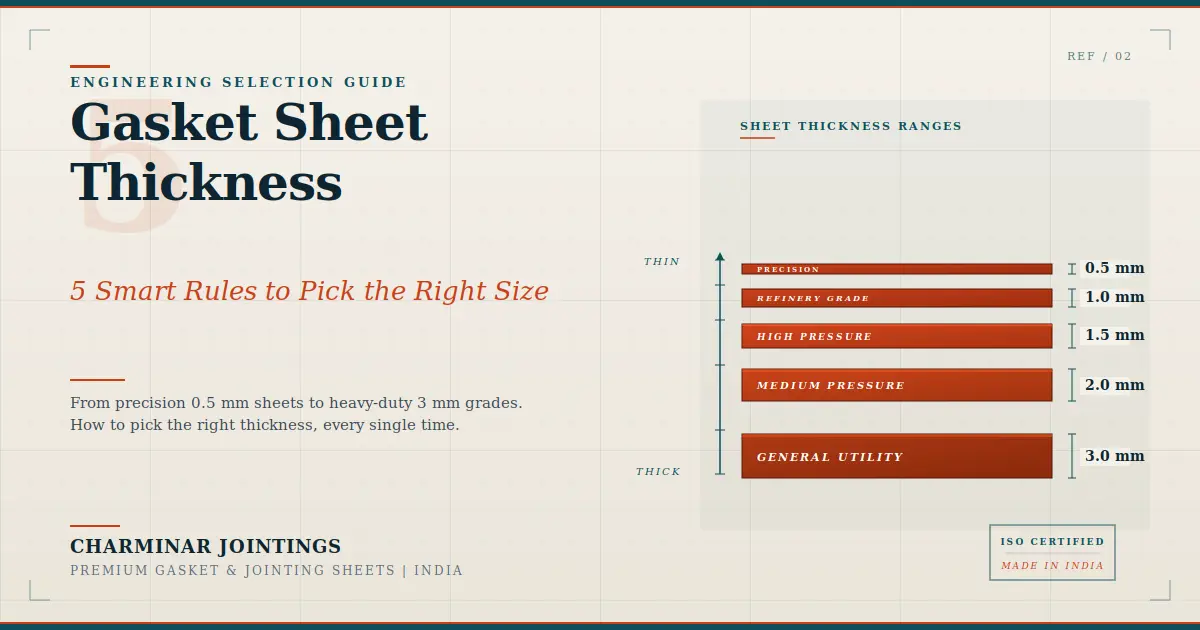
Thicker does not always mean better. In gas sealing, over-thick gaskets may relax more and become less stable under cycling. Hydrogen-Ready Gasket Materials should be selected in the right thickness for the flange condition and duty.
7. Work with a Manufacturer That Understands Industrial Sealing
Future fuel sealing is not a one-size-fits-all decision. Pressure, temperature, media, flange size, bolt details, gasket thickness and duty cycle all matter. For support in selecting Hydrogen-Ready Gasket Materials, buyers can contact Charminar Jointings.
Best Applications for Hydrogen-Ready Gasket Materials
Hydrogen-Ready Gasket Materials are relevant for refineries, petrochemical units, gas processing plants, fertilizer plants, hydrogen skids, compressor packages, power plants and OEM equipment.
Engineers should also consider bolt quality, flange rigidity, surface finish, gasket dimensions and installation discipline. This system-based approach helps plants prepare for fuel transition without unnecessary downtime.
Internal Checklist Before Ordering Hydrogen-Ready Gasket Materials
Before placing an order, prepare a technical checklist. Confirm the exact gas or media, operating pressure, temperature, flange standard, gasket size, thickness preference, bolt loading method and whether the application is static or cyclic.
This information helps the manufacturer suggest Hydrogen-Ready Gasket Materials more accurately and reduces the risk of ordering a general-purpose sheet for a critical application.
FAQs on Hydrogen-Ready Gasket Materials
Are Hydrogen-Ready Gasket Materials different from normal gasket sheets?
Yes, the selection approach is different. Hydrogen-Ready Gasket Materials are chosen with extra attention to gas leakage, material compatibility, flange condition and load retention. The base sheet may be similar to industrial jointing materials, but the selection criteria are stricter.
Can non-asbestos jointing sheets be used for future fuel sealing?
Non-asbestos jointing sheets can be suitable for many industrial services, but the final grade depends on pressure, temperature, media and installation conditions. For hydrogen or blended fuel applications, always verify compatibility before use.
Which industries should consider Hydrogen-Ready Gasket Materials?
Industries using gas lines, refineries, chemical processing, power generation, fertilizers, OEM equipment and future fuel infrastructure should consider Hydrogen-Ready Gasket Materials where leakage control and long-term reliability are important.
Conclusion
Hydrogen-Ready Gasket Materials are becoming important as industries prepare for hydrogen, natural gas blends and cleaner fuel systems. Choosing the right jointing sheet requires a practical review of media, pressure, temperature, flange condition, thickness, reinforcement and installation quality.
For reliable future fuel sealing, engineers should combine the right gasket material with correct assembly practices and manufacturer guidance. Charminar Jointings can help plants evaluate suitable options for demanding sealing applications.