S-309 Cellulose Gasket Material is a non-asbestos soft gasket material listed by Charminar Jointings. The product page describes it as a cellulose fibre gasket material with SBR binder, suitable as a replacement for asbestos fibre gasket materials and saturated paper. It is mentioned for many oil and coolant applications, including oil, fuel and water areas.This blog explains how buyers, maintenance teams and specification teams can evaluate S-309 Cellulose Gasket Material for practical applications. S-309 Cellulose Gasket Material is treated here as a specific Charminar product, not a broad gasket category. The content is limited to the product details available on the Charminar website, including its composition, listed applications, fluid resistance table, temperature value, roll availability and request-based antistick coating option.
Table of Contents
What S-309 Cellulose Gasket Material Is
Rule 1: Match S-309 Cellulose Gasket Material with Oil, Fuel and Water Areas
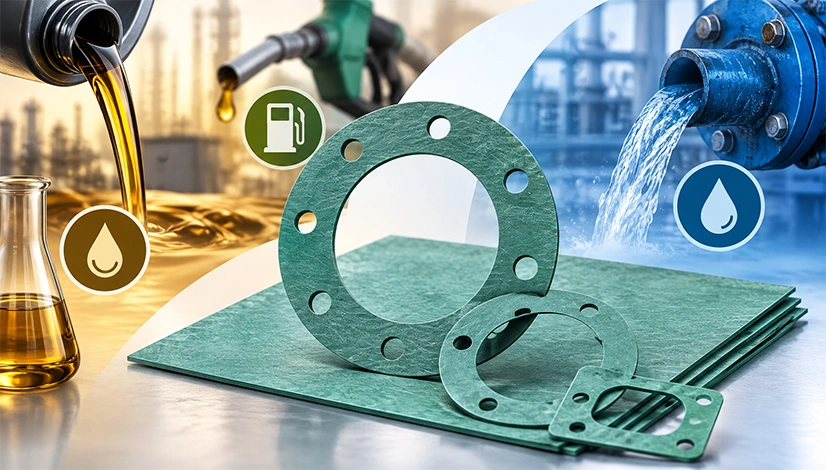
The first selection rule is to match S-309 Cellulose Gasket Material with the application areas mentioned on the product page. S-309 Cellulose Gasket Material should be checked against the actual service area before approval. The website specifically mentions oil and coolant applications and also lists oil, fuel and water areas. These terms should guide the content and the buyer discussion.
Non-asbestos soft gasket material for oil fuel water
Rule 2: Check the Cellulose Fibre and SBR Binder Composition
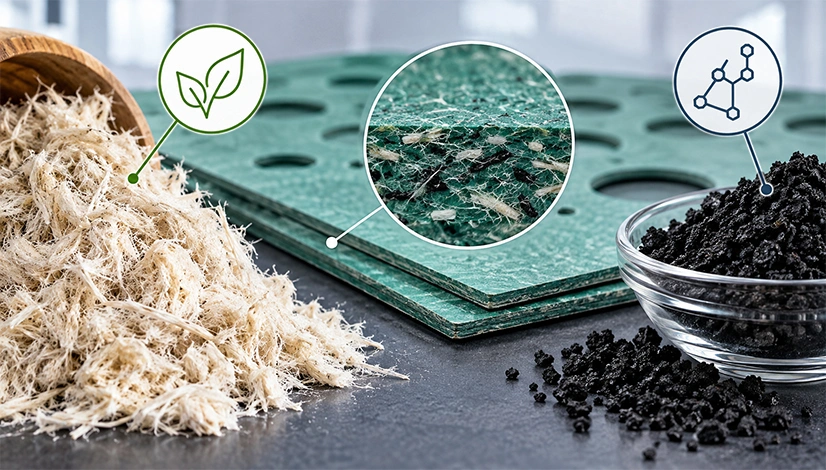
Cellulose fibre gasket sheet with SBR binder
Rule 3: Review Fluid Resistance Data for S-309 Cellulose Gasket Material
These values help buyers review S-309 Cellulose Gasket Material in a structured way. Fluid resistance data should be compared with the actual media and working conditions. The data is a technical reference, not a substitute for application review. For general understanding of how gaskets work in joints, readers may refer to the Wikipedia page on
gaskets, while the product decision should remain based on Charminar’s data.
Fluid resistance gasket material for oil and fuel
Rule 4: Confirm the Temperature Suitability of S-309 Cellulose Gasket Material
The S-309 product page mentions maximum operating temperature up to 150 degrees Celsius. This value is important for selection because temperature can affect gasket performance. Buyers should compare the actual working temperature with the value mentioned on the product page before approving S-309 Cellulose Gasket Material.The product should not be positioned for higher temperature service unless Charminar confirms it for a specific application. For applications outside the listed condition, buyers should check other Charminar product pages or speak with the company. This keeps the content accurate and avoids unsupported claims.
Soft gasket material temperature check
Rule 5: Match Listed Applications with Real Maintenance Requirements
For diesel engine related application context, readers can refer to general background on the Wikipedia page for
diesel engines. However, the blog should not suggest specific engine models, machine brands or unlisted technical performance. S-309 Cellulose Gasket Material should be discussed according to Charminar’s stated application list and specifications.
Gasket material for gearboxes oil pans and chemical pumps
Rule 6: Review Roll Width, Roll Weight and Thickness Range
Availability is also part of buying. The S-309 product page lists roll width as 1200 mm, roll weight as 50 to 250 kg, thickness range as 0.30 mm to 1.50 mm and core size as 75 mm. These details help procurement teams prepare a proper enquiry instead of sending an incomplete requirement. For S-309 Cellulose Gasket Material, thickness should be matched with the actual gasket design, joint requirement and application. S-309 Cellulose Gasket Material should not be assigned a universal thickness without reviewing the actual requirement. The blog should not recommend one universal thickness. It should guide the buyer to check the available thickness range and then contact Charminar for the exact requirement.
Cellulose gasket material roll size and thickness
Rule 7: Ask for Support Before Final Purchase
For more product details, users can review the S-309 product page and the Beater Addition Jointing & Cellulose Fibre Gasket Material category. These pages keep the buyer journey connected to Charminar’s actual product range.
Final Buyer Checklist for S-309 Cellulose Gasket Material
Before selecting S-309 Cellulose Gasket Material, check whether the application is oil, fuel, water, coolant or one of the listed soft gasket areas. Review the cellulose fibre and SBR binder composition. Check the fluid resistance values for oil, fuel and distilled water. Compare the operating temperature with the website value of up to 150 degrees Celsius. Review roll width, roll weight, thickness range and core size. Contact Charminar if the requirement needs confirmation. A focused selection process helps prevent confusion between different gasket materials. S-309 Cellulose Gasket Material should be presented as a defined Charminar product with specific website-listed applications and specifications. S-309 Cellulose Gasket Material should be selected with the product page as the main reference. That is the safest way to create useful content for buyers while keeping the blog accurate, product-specific and SEO-friendly.