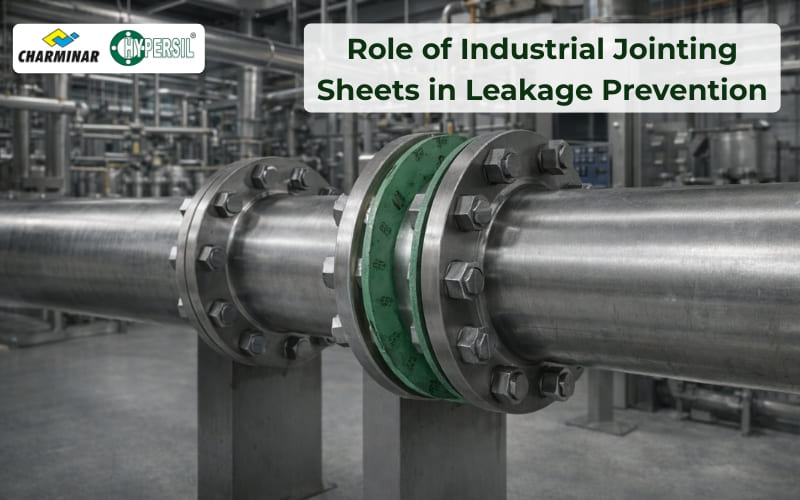
Industrial leakage is more than a maintenance issue, it risks safety, production uptime, environmental compliance, and operating costs. From pipelines and boilers to reactors and heavy machinery, reliable sealing is critical in every process-driven facility. This is where Industrial Jointing Sheets play a decisive role. Engineered to create tight, durable seals between mechanical surfaces, these materials prevent fluid and gas escape even under extreme pressure and temperature conditions, ensuring safer and more efficient industrial operations across India’s manufacturing and process sectors.
Understanding Industrial Leakage and Why It Happens
Leakage occurs when two mechanical surfaces fail to maintain a uniform seal. Common causes include:
- Surface irregularities or flange misalignment
- High internal pressure
- Thermal expansion and contraction
- Chemical corrosion
- Vibration from rotating equipment
Even microscopic gaps can allow fluids, steam, or gases to escape. Over time, this leads to energy loss, contamination, equipment damage, and safety hazards. Effective sealing materials are therefore essential in industrial sealing applications where reliability cannot be compromised.
How Industrial Jointing Sheets Prevent Leakage
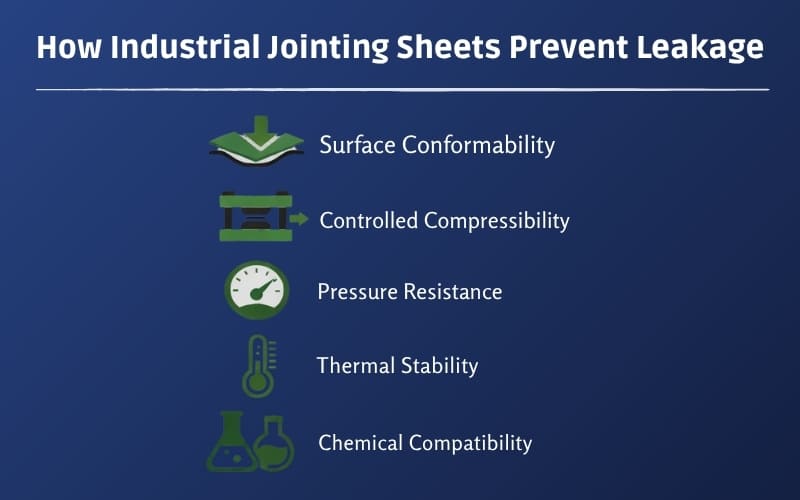
1. Surface Conformability
Industrial systems rarely have perfectly smooth mating surfaces. Jointing sheets compress under load and fill microscopic surface imperfections, creating a tight barrier that blocks leakage paths.
2. Controlled Compressibility
Proper sealing depends on the right balance between softness and structural strength. High-quality sheets compress enough to seal but retain shape under load, maintaining gasket integrity over long service cycles.
3. Pressure Resistance
In high-load environments such as steam lines and chemical plants, sealing materials must withstand significant internal force. Premium High Pressure Gasket Materials are designed to maintain seal performance without blowouts or creep.
4. Thermal Stability
Heat causes expansion, contraction, and material fatigue. Heat Resistant Gasket Sheets retain structural stability across wide temperature ranges, preventing seal failure in boilers, turbines, and hot fluid systems.
5. Chemical Compatibility
Industrial fluids often contain aggressive chemicals. Properly engineered materials resist swelling, degradation, and loss of mechanical strength, ensuring long-term reliability.
Industrial Jointing Sheets vs. Industrial Gasket Sheets
Although often used interchangeably, the terms serve slightly different contexts in procurement and engineering documentation.
| Feature | Industrial Jointing Sheets | Industrial Gasket Sheets |
| Primary Form | Sheet material cut into custom sizes | Pre-cut or sheet form |
| Usage Flexibility | Highly customizable on-site | Often application-specific |
| Ideal For | Maintenance teams & fabricators | OEM and standardized parts |
| Sealing Purpose | General industrial sealing | Precision gasket fabrication |
Both categories support leak proof sealing solutions, but jointing sheets offer greater flexibility for diverse plant requirements.
Key Industrial Sealing Applications
Industrial environments demand different sealing performance depending on equipment type and operating conditions. Jointing materials are widely used in:
- Pipeline flange connections
- Heat exchangers and condensers
- Pumps and valve assemblies
- Compressors and turbines
- Boilers and steam distribution lines
- Chemical processing equipment
Selecting the right Gasket Material for Pipelines is especially important because pipeline systems operate continuously under pressure, making seal reliability essential for safety and efficiency.
Material Types That Enhance Leakage Prevention
Non-Asbestos Jointing Sheets
Modern industries increasingly prefer Non-Asbestos Jointing Sheets due to health regulations and environmental standards. These materials provide excellent sealing performance while ensuring safer handling and compliance.
Fiber-Reinforced Composites
Composite materials offer strength, flexibility, and chemical resistance, making them suitable for heavy-duty operations.
Elastomer-Bonded Sheets
These provide excellent compressibility and recovery, ideal for applications involving vibration and fluctuating loads.
Why Material Quality Matters in Indian Industrial Conditions
Industrial operations in India face diverse challenges:
- Wide temperature fluctuations
- Dust-heavy operating environments
- Continuous production cycles
- High-pressure energy systems
- Corrosive chemical processing
Low-grade materials degrade quickly under these conditions, leading to recurring leakage and maintenance shutdowns. High-performance industrial gasket sheets manufactured under strict quality standards deliver longer service life, better sealing reliability, and lower lifecycle costs.
Engineering Factors That Influence Sealing Performance
Effective leakage prevention depends on more than material selection. Engineers must also consider:
- Flange surface finish
- Bolt load distribution
- Operating pressure and temperature
- Media type (steam, oil, gas, chemicals)
- Installation torque standards
When sealing systems are designed holistically, jointing materials perform at their best.
Choosing the Right Manufacturer Matters
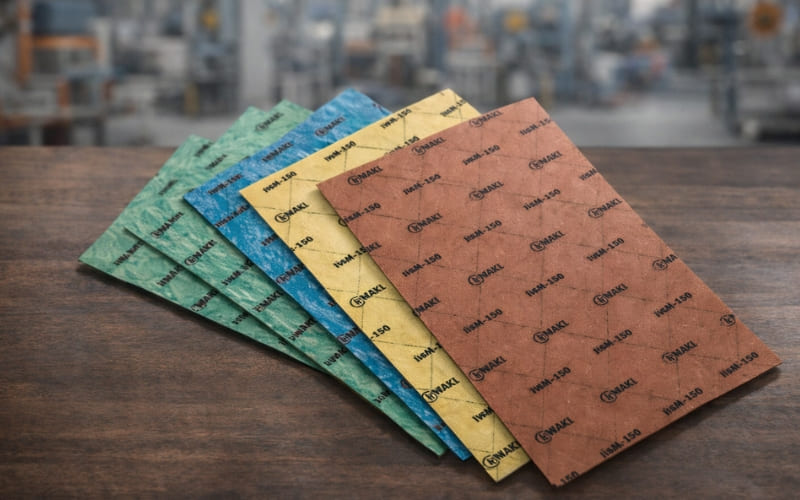
Consistent sealing performance requires precision manufacturing, material science expertise, and rigorous testing standards. Established Indian manufacturers such as Charminar Jointings Pvt. Ltd. supply advanced sealing materials engineered for demanding industrial environments. Their product portfolio supports diverse industrial sealing applications, from energy and petrochemicals to heavy engineering and infrastructure.
Long-Term Benefits of Reliable Sealing Solutions
- Reduced unplanned downtime
- Lower maintenance frequency
- Improved workplace safety
- Higher energy efficiency
- Protection of expensive equipment
- Compliance with environmental norms
Leak prevention is not just about stopping fluid loss, it is about ensuring operational continuity and cost control.
Frequently Asked Questions
What are industrial jointing sheets used for?
They are used to create seals between mechanical surfaces in pipelines, boilers, pumps, valves, and processing equipment to prevent fluid and gas leakage.
Are non-asbestos jointing sheets better than traditional materials?
Yes. They provide comparable or superior sealing performance while meeting modern safety and environmental standards.
Can jointing sheets handle high-temperature applications?
Specialized heat-resistant materials are designed for steam systems, turbines, and thermal processing units.
How do I select the right gasket material for pipelines?
Material choice depends on pressure rating, temperature range, chemical exposure, and flange design.
Do sealing materials affect energy efficiency?
Yes. Proper seals prevent pressure drops and energy losses, improving overall system efficiency.
Final Thoughts
Reliable sealing is fundamental to safe and efficient industrial operations. The right jointing materials prevent leakage, protect equipment, and reduce operational risks across complex mechanical systems. Investing in high-quality sealing solutions ensures long-term performance and peace of mind.
If you are evaluating dependable sealing materials for your operations, explore engineered solutions from Charminar Jointings to ensure leak-free performance built for demanding industrial environments.