Industrial sealing becomes demanding when a flange joint faces pressure surges, vibration, heat cycles, oil exposure, or steam service. In such conditions, a normal gasket sheet may not provide the strength required for long-term reliability. Wire-Reinforced Jointing Sheets are designed with a metallic reinforcement layer that improves mechanical stability while the gasket material provides sealing performance. For plants that cannot afford leakage, shutdowns, or repeated gasket replacement, choosing the right sheet is a safety and productivity decision.
What Are Wire-Reinforced Jointing Sheets?
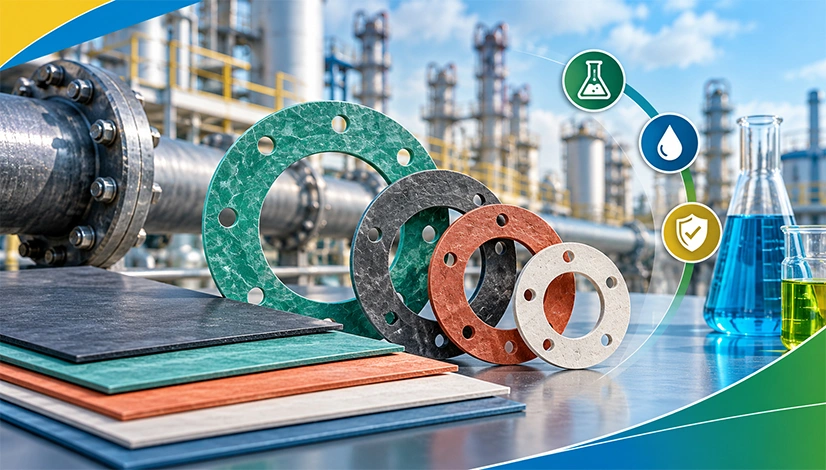
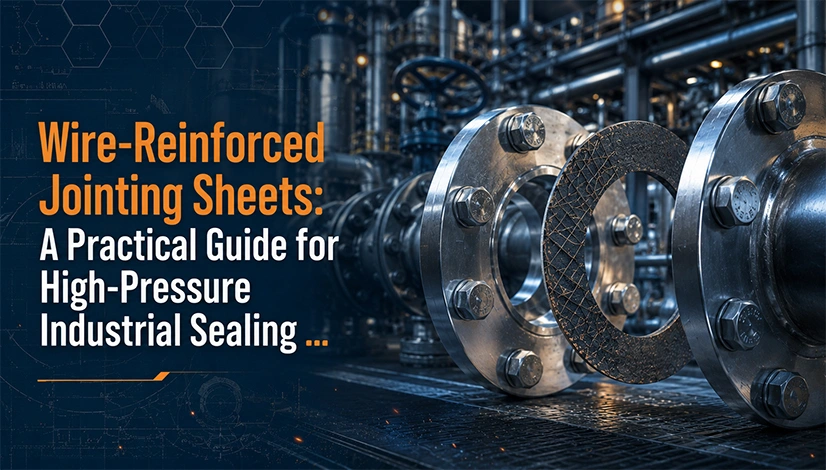
Wire-Reinforced Jointing Sheets are industrial gasket sheets made by combining compressible sealing material with wire mesh, metal gauge, or a metallic reinforcement centre. The non-metallic layer helps the gasket conform to flange surfaces, while the reinforcement improves strength, handling, and resistance to mechanical stress. In simple terms, these reinforced sheets offer the sealing benefits of compressed gasket material with added support for demanding service conditions.
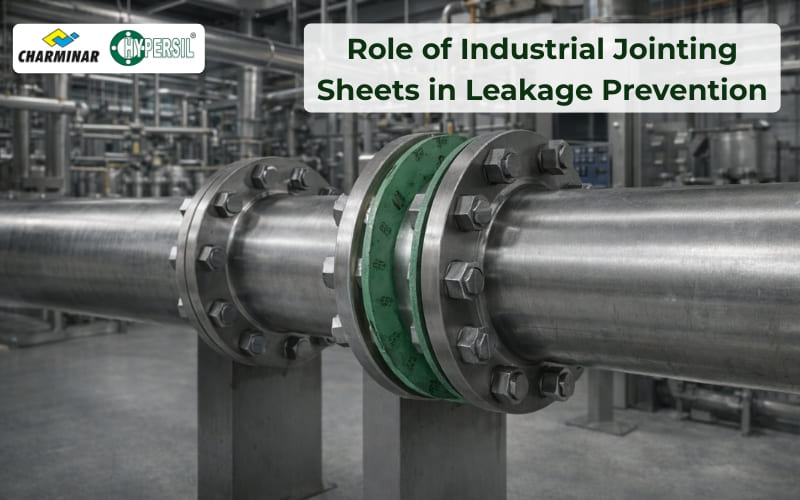
A gasket fills the space between two mating surfaces to help prevent leakage under compression. A flange joint connects pipes, valves, pumps, and equipment using bolted faces. When both gasket and flange are exposed to pressure, temperature, and movement, stability becomes extremely important. This is why Wire-Reinforced Jointing Sheets are often preferred where ordinary soft gasket materials may deform, crack, or lose shape faster.
Why Wire-Reinforced Jointing Sheets Are Used in High-Pressure Applications
Wire-Reinforced Jointing Sheets are selected when a plant needs better strength, safer sealing, and improved resistance to operating stress. High-pressure systems place constant load on the gasket. Over time, the joint may also face thermal expansion, vibration, and bolt-load relaxation. The reinforcement helps maintain dimensional stability and reduces the risk of blowout or edge damage.
Better Support Against Flange Stress
A flanged connection depends on correct gasket compression. If the sheet is too weak for the load, the material can crush unevenly or extrude from the joint. Wire-Reinforced Jointing Sheets provide added internal support, making them suitable for applications where flange stress is higher than normal. This support is useful in pipelines, compressors, pumps, valves, transformers, and engines.
Improved Stability Under Heat and Pressure
Temperature changes can make gasket materials expand, soften, or lose recovery. These sheets help improve stability when the joint is exposed to heat cycles and operating pressure. This does not mean every reinforced sheet is suitable for every temperature, but it does mean the material structure is stronger than many plain sheets. Engineers should still check continuous temperature, peak temperature, pressure rating, fluid compatibility, and flange condition.
Key Benefits of Metallic Gasket Sheets
Wire-Reinforced Jointing Sheets are often known as metallic or metal-reinforced gasket sheets because they contain a reinforcing layer. Their value is not only in strength, but also in reliability across difficult industrial conditions.
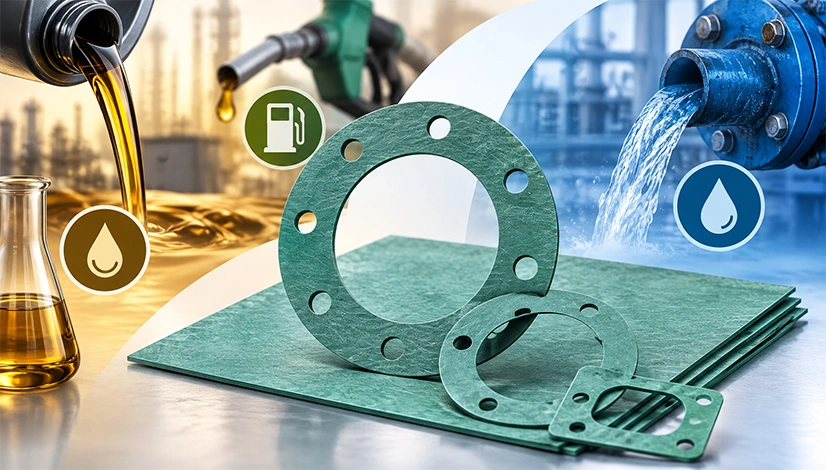
First, they provide better tear resistance during cutting, handling, and installation. Second, they offer improved structural stability for large gasket sizes or joints exposed to vibration. Third, they can support applications where oil, fuel, water, steam, or industrial fluids are present, depending on the grade. Fourth, they reduce the chances of gasket failure caused by mechanical weakness. Finally, the right reinforced sheet can help plants reduce unplanned maintenance when selected and installed correctly.
Common Applications of Wire-Reinforced Jointing Sheets
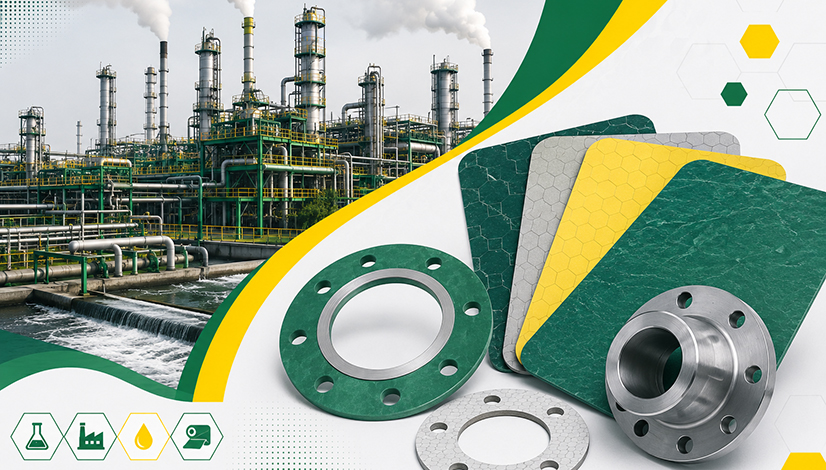
Wire-Reinforced Jointing Sheets are widely used in industrial sectors where sealing safety and durability matter. Typical applications include transformers, compressors, valve covers, oil pans, diesel engines, pipe flanges, chemical pumps, industrial water lines, fuel systems, and general machinery. In many plants, these sheets are chosen because the application involves repeated load, temperature variation, or stronger gasket construction.
For steam and hot water lines, engineers must check temperature and pressure ratings. For oil and fuel systems, fluid absorption and compatibility become key. For compressor and pump applications, vibration and flange finish matter. For chemical plants, the gasket must be matched with the actual media rather than selected only by pressure rating. Wire-Reinforced Jointing Sheets can perform well in many areas, but the correct grade should always be chosen according to service condition.
How to Choose the Right Wire-Reinforced Jointing Sheets
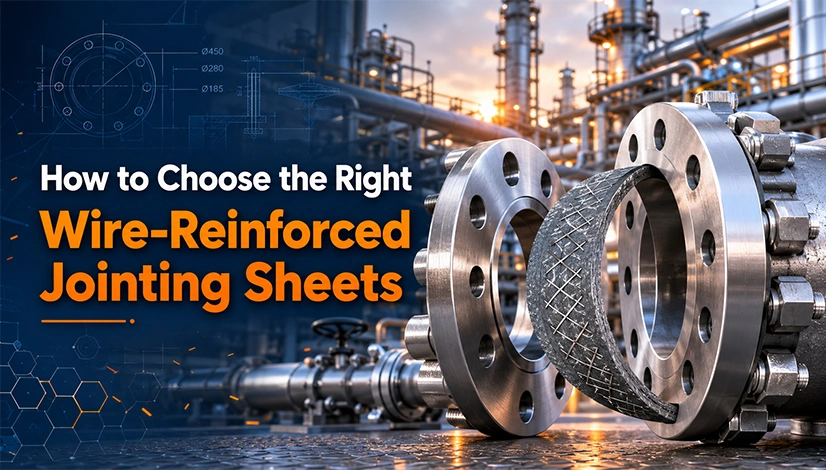
Choosing Wire-Reinforced Jointing Sheets starts with understanding the service environment. The right sheet is the one that matches the media, temperature, pressure, flange design, and safety expectations of the plant.
Check the Media First
The first question is simple: what will the gasket touch? Oil, fuel, water, steam, gases, acids, and solvents behave differently. A sheet that works well in oil may not be right for aggressive chemicals. Before finalizing Wire-Reinforced Jointing Sheets, compare the media with the material’s resistance chart and technical data sheet.
Match Temperature and Pressure Ratings
Do not select Wire-Reinforced Jointing Sheets only because they are stronger. Always verify continuous temperature, peak temperature, and operating pressure. A reinforced gasket still needs the right elastomer binder and fibre composition for the application.
Review Flange Condition and Surface Finish
A gasket must seal small irregularities between mating surfaces. If the flange is damaged, warped, over-tightened, or too rough, even high-quality Wire-Reinforced Jointing Sheets may fail early. Clean the flange surface, remove old gasket residue, and inspect scratches before installation.
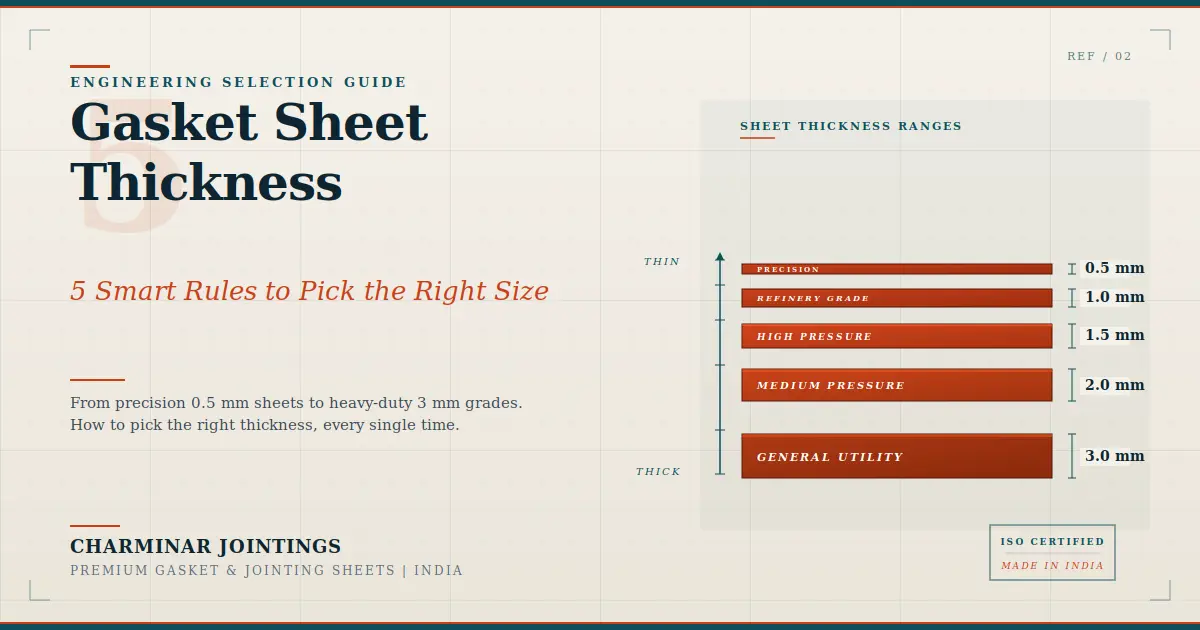
Select the Right Thickness
Thickness affects compression, recovery, and leakage control. A thicker gasket is not always better. For narrow flanges or lower bolt load, excessive thickness may reduce stability. For damaged or uneven flanges, suitable thickness may help fill irregularities. Select the sheet based on flange width, bolt load, pressure, and service duty.
Ask for Technical Support When Required
If the application involves high pressure, variable temperature, hazardous media, or critical equipment, technical consultation is recommended. Charminar Jointings offers a dedicated range of Non Asbestos Compressed Jointing Sheets With Wire for industrial sealing needs. Buyers can also contact the technical team for application-based guidance before selecting Wire-Reinforced Jointing Sheets.
Mistakes to Avoid During Selection and Installation
The most common mistake is selecting Wire-Reinforced Jointing Sheets only by price or thickness. Another mistake is ignoring the actual fluid in the line. A third mistake is reusing old bolts, unevenly tightening the flange, or skipping torque sequence. These errors can reduce gasket life even if sheet quality is good.
Avoid using sealant unless the manufacturer or plant standard recommends it. Extra sealant can affect compression and create uneven loading. Also avoid hammering, folding, or damaging the gasket edge during installation. These sheets are strong, but poor handling can still weaken the sealing surface.
Final Thoughts
Wire-Reinforced Jointing Sheets are a smart choice for industries that need stronger gasket construction, better stability, and dependable sealing in demanding applications. They are especially useful where pressure, heat, vibration, oil, water, steam, or mechanical stress can challenge a standard gasket sheet. However, the best result comes from matching the sheet to actual operating conditions.
For long-term reliability, do not choose these sheets by guesswork. Check the media, temperature, pressure, flange condition, thickness, and technical data. When these factors are reviewed properly, Wire-Reinforced Jointing Sheets can help reduce leakage risk, improve plant safety, and support efficient industrial operations.
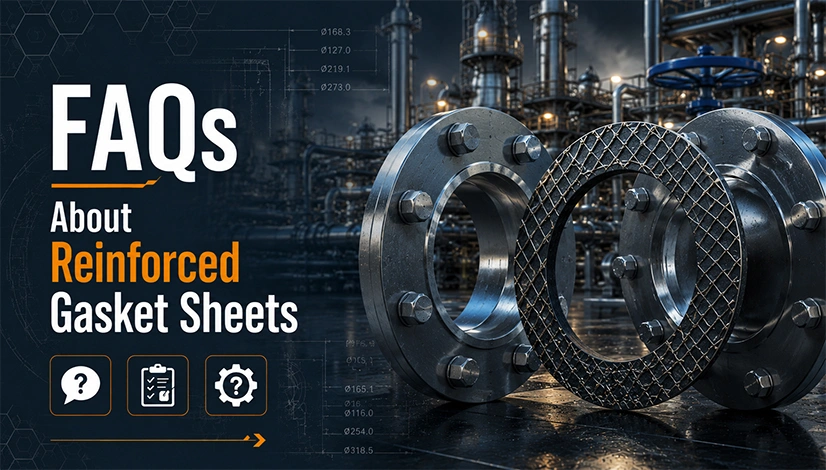
FAQs About Reinforced Gasket Sheets
What are reinforced jointing sheets used for?
They are used for sealing industrial flanges, pumps, compressors, engines, transformers, valves, and pipelines where added mechanical strength is required.
Are they better than normal gasket sheets?
They are better for applications where pressure, vibration, large gasket size, or mechanical stress is higher. For general low-duty service, a standard non-asbestos gasket sheet may be enough.
Can they be used for oil and fuel?
Yes, they can be suitable for oil and fuel applications when the selected grade has the correct binder, fibre composition, and fluid resistance.
How do I select the right grade?
Select Wire-Reinforced Jointing Sheets after checking media compatibility, temperature, pressure, flange condition, gasket thickness, and the manufacturer’s technical data sheet.