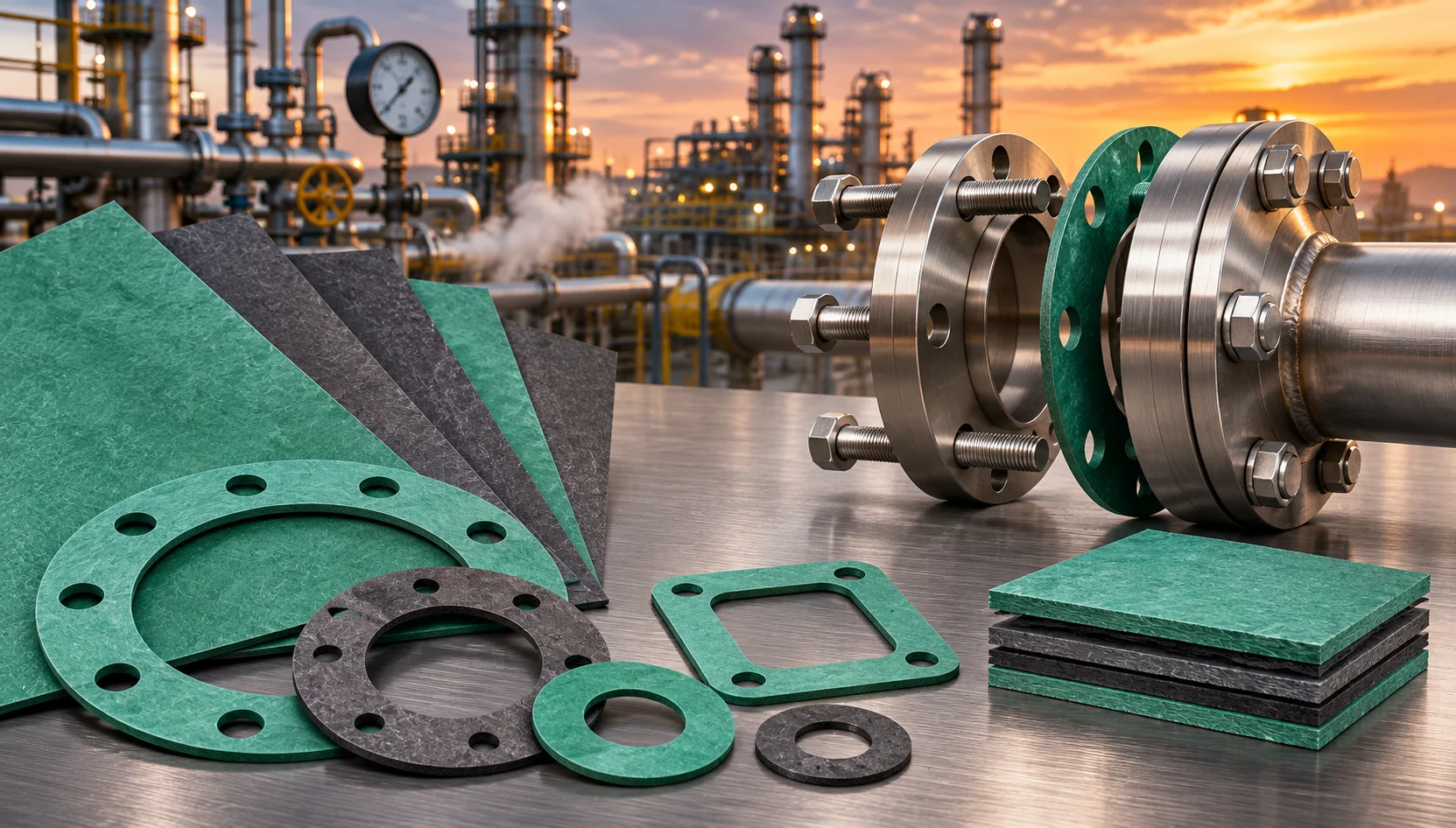
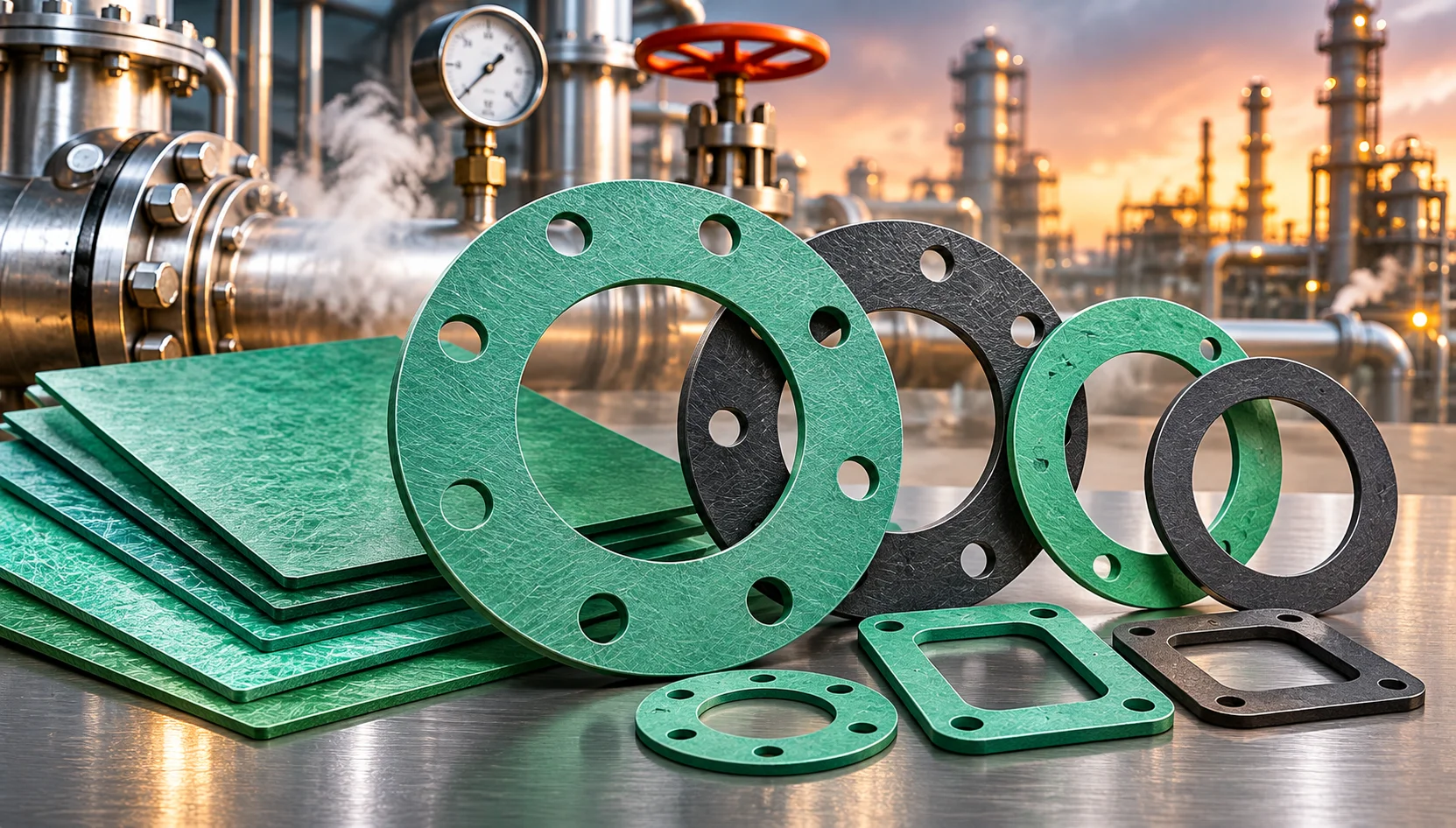
Between two flanges, it must contain the process fluid while equipment heats up, cools down and experiences changing loads. When it fails, the consequences may include shutdowns, wasted material and unsafe working conditions. Hypersil Gaskets are part of Charminar Jointings’ industrial sealing range, offering material options for buyers who need dependable jointing sheets rather than a one-size-fits-all promise. Choosing the right sheet requires an understanding of temperature, pressure, media compatibility and installation quality. This guide explains where Hypersil Gaskets fit, how technical teams should evaluate them and which practical checks matter before an order is approved. For Hypersil Gaskets, the most useful starting point is a documented duty specification.
Table of Contents
What Are Hypersil Gaskets and How Do They Work?
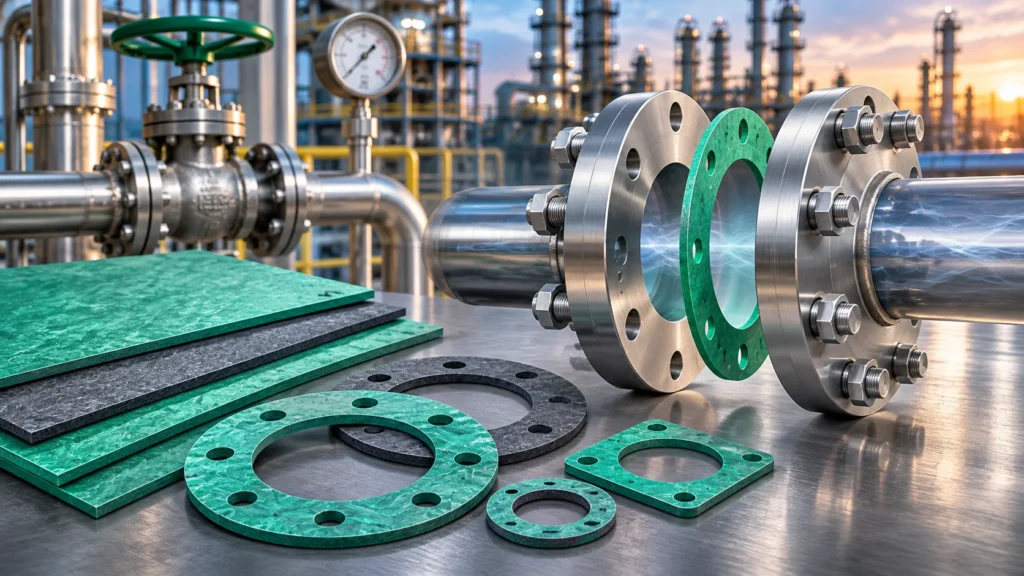
Hypersil is a name used by Charminar Jointings for industrial gasket and jointing-sheet solutions. Its range includes compressed non-asbestos sheets and other materials intended for different service conditions. A sheet gasket is cut to match the required flange geometry; tightening the joint compresses it between mating faces to close small surface irregularities. As the equipment operates, the seal must preserve sufficient contact stress despite vibration, thermal movement and relaxation. Hypersil Gaskets are therefore only one element in a sealing system that also includes the flange, fasteners and assembly procedure. For a basic overview of sealing principles, readers can explore the gasket reference.
Why High-Pressure Applications Need Careful Gasket Selection
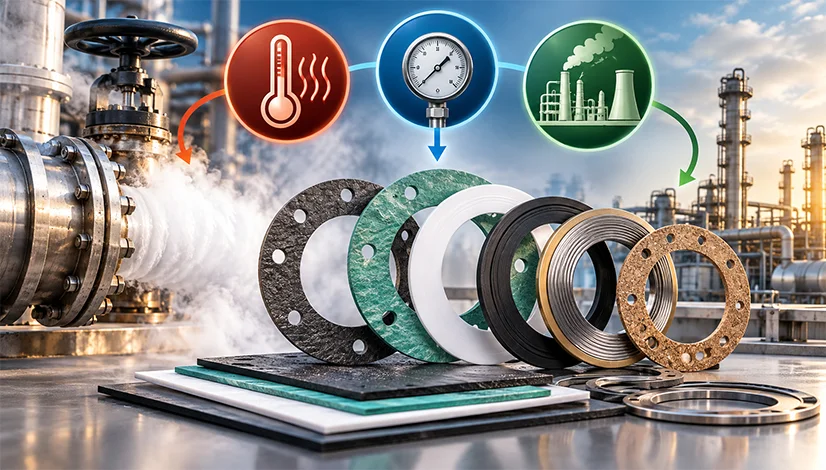
Internal pressure produces a separating force on a bolted joint. The gasket must be seated firmly enough to withstand that force without crushing, extruding or losing its seal. Industrial buyers should compare the proposed material with the joint’s actual pressure, temperature and medium at the same time. A headline maximum pressure value cannot be treated as permission to operate at the advertised maximum temperature simultaneously. Product pressure-temperature diagrams, where available, show why permissible combinations change. Hypersil Gaskets should be selected against the actual duty profile, including startup, shutdown, pressure surges and periods of unusual operation. The flange design and bolt capacity may impose limits lower than the sheet’s stated material limit. In high-pressure service, Hypersil Gaskets must be evaluated as part of the entire bolted joint.
Check the full operating envelope, not just one number
Ask whether the design pressure differs from normal operating pressure, how often thermal cycles occur and whether steam or aggressive chemicals are present. Request the applicable technical datasheet and obtain advice for conditions near any stated limits. Engineers evaluating Hypersil Gaskets should also confirm whether the quoted rating refers to continuous use, short peaks or a laboratory test. These distinctions prevent expensive assumptions at the purchasing stage.
7 Practical Benefits of Hypersil Gaskets for Industrial Buyers
The principal attraction of Hypersil Gaskets is the opportunity to match a particular sheet grade to a clearly defined sealing job. The following advantages describe useful selection considerations, not guarantees that every grade will perform identically in every plant. The value of Hypersil Gaskets depends on disciplined grade selection and assembly.
1. A range of options for different services
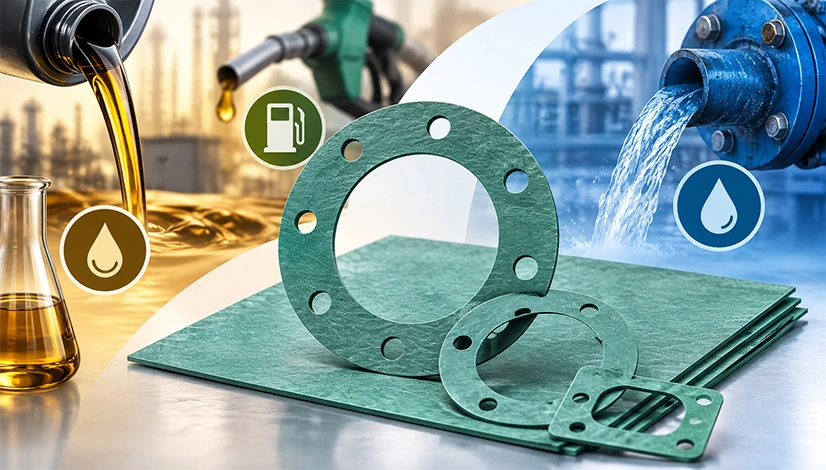
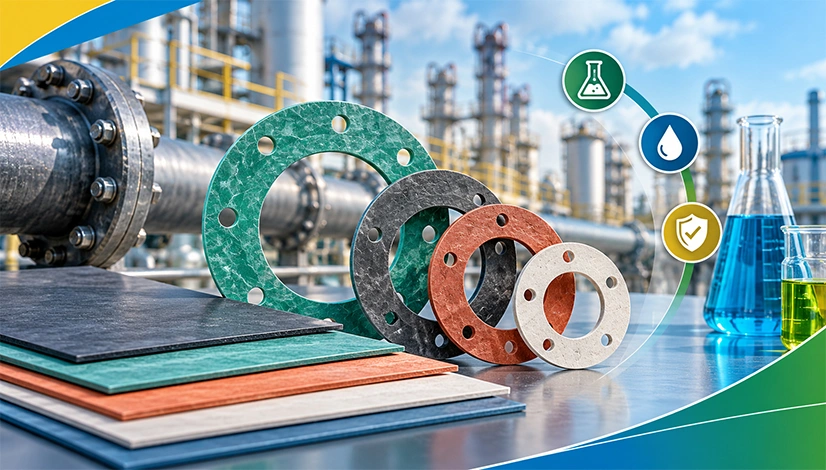
The manufacturer lists multiple non-asbestos grades rather than a single universal sheet. This helps procurement and maintenance teams compare options for oil, water, fuel and other media subject to individual material approval. Explore the non-asbestos jointing sheets range before narrowing the specification. Hypersil Gaskets should be ordered by the exact approved grade, thickness and dimensions, not simply by a broad product-family name.
2. Performance information buyers can examine
Published product pages provide physical-property information for particular grades, which may include compressibility, recovery, tensile strength and fluid-immersion behaviour. These properties help engineers judge how a sheet may respond during assembly and service. For example, the HNA-400 product page can support a grade-specific technical review. Hypersil Gaskets should be compared using like-for-like test methods and thicknesses; a number taken from an unrelated sheet grade is not a valid substitute.
3. Potential to reduce avoidable leakage
A correctly specified gasket can help maintain joint tightness and reduce repeat maintenance. That benefit comes from compatibility, correct compression and an appropriate flange condition working together. Hypersil Gaskets cannot eliminate leaks if bolts are loose, surfaces are scratched or material has been exposed beyond its limits. The practical benefit is more reliable planning: identify the service conditions, select the material, document the installation method and inspect for leakage during commissioning. With Hypersil Gaskets, dimensional accuracy remains as important as material properties.
4. Flexibility for different gasket shapes
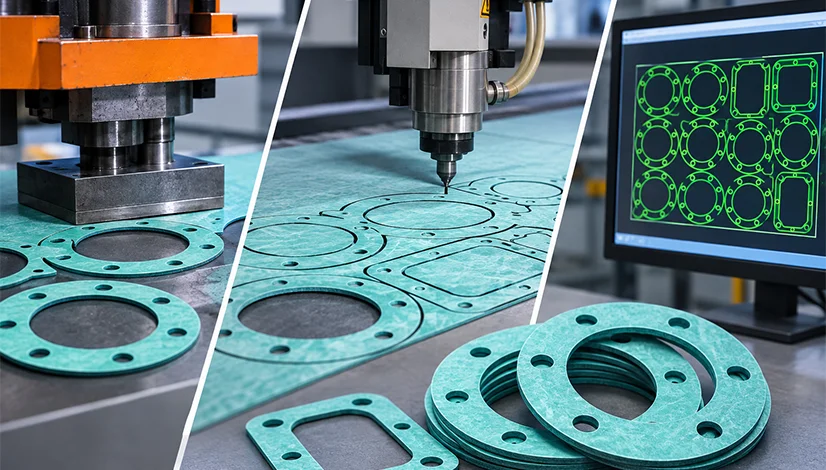
Industrial joints are not all identical. Buyers may need rings, full-face patterns, unusual bolt-hole layouts or cut components for equipment housings. Sheet-based materials can be converted into these shapes when their geometry and tolerances are suitable. Hypersil Gaskets must still be checked for minimum sealing width, bolt-hole placement and cutting-edge damage. A drawing approved by maintenance or engineering reduces the risk of the wrong gasket arriving during a scheduled shutdown.
5. A route away from legacy asbestos materials
Non-asbestos jointing sheets offer buyers alternatives where older asbestos-based materials are inappropriate. The correct replacement is not chosen by appearance alone; service conditions and required compression behaviour still need comparison. Hypersil Gaskets from the non-asbestos range can be evaluated against the plant’s approved material specification. Any claim about regulation or compliance should be checked for the destination country and product grade rather than assumed from a generic description. Before comparing quotes, identify which Hypersil Gaskets grade the supplier is offering.
6. Better purchasing conversations
A technical enquiry that identifies medium, operating pressure, temperature, flange size, thickness and quantity is easier to assess than a request for the ‘best gasket’. Buyers of Hypersil Gaskets can use the manufacturer’s Hypersil overview as a starting point and then ask for the relevant grade-specific details. Clear enquiries reduce quotation errors and make comparisons between samples, drawings and purchase orders more meaningful.
7. Improved maintenance consistency
When a site standardizes its approved grades and records why each one was selected, technicians are less likely to substitute an unsuitable sheet in a hurry. Hypersil Gaskets can be incorporated into that system through part numbers, stores labels, gasket drawings and maintenance instructions. Consistency matters because even a high-quality replacement fails to deliver value if the wrong thickness or material reaches the technician. Hypersil Gaskets are not interchangeable across all fluid and temperature combinations.
Where Hypersil Gaskets May Be Used
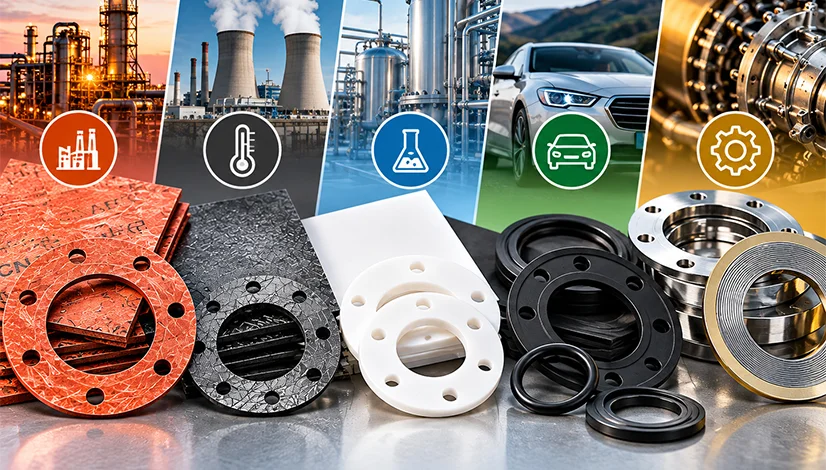
Industrial applications may include flanged pipelines, pumps, compressors, valves and equipment covers. Oil and gas facilities, manufacturing plants and utility systems all contain joints that require disciplined sealing-material selection. However, an industry label alone is not enough to prove suitability. Hypersil Gaskets should be matched to the specific medium, duty cycle and joint arrangement. The flange reference explains the mechanical connection in which many sheet gaskets operate. For high-hazard fluids or unusually demanding pressure-temperature conditions, engineering approval is essential.
How to Evaluate Hypersil Gaskets Before Ordering
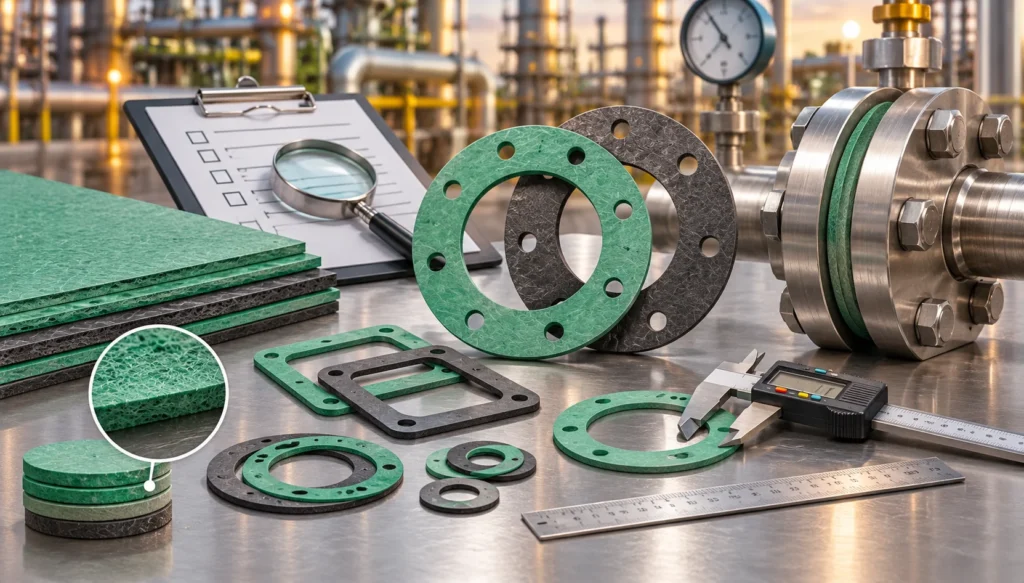
Start with a written service specification. State the normal and maximum temperature, pressure range, fluid concentration, flange standard, surface condition, gasket thickness and whether the joint will cycle frequently. Identify whether a spiral-wound, metallic or other gasket design is required instead of assuming a compressed sheet is appropriate. Next, request the latest grade datasheet, operating-limit information, chemical compatibility confirmation and any quality records specified by the purchasing contract. Hypersil Gaskets should be evaluated using the actual grade identified in the quote. If a supplier proposes a substitute, obtain engineering acceptance before buying. Proper installation protects the expected performance of Hypersil Gaskets.
Read performance data in context
Compressibility helps describe how a material responds under a defined test load; recovery concerns its rebound in a prescribed test. Tensile strength is not the same as a permissible flange-joint pressure. Immersion results help indicate fluid effects but do not by themselves predict service life in a live joint. Hypersil Gaskets should be assessed on the combined evidence, including pressure-temperature suitability and manufacturer guidance. Ask for clarification whenever a datasheet uses a peak-temperature figure that could be confused with a continuous operating limit. For Hypersil Gaskets, reliable inventory records help prevent accidental substitutions.
Installation Practices That Protect Sealing Quality
Even carefully chosen Hypersil Gaskets depend on correct installation. Isolate and depressurize equipment before opening a joint. Remove old material completely using approved methods, inspect both flange faces and confirm that fasteners are in serviceable condition. Never stack multiple sheet gaskets to compensate for an incorrect thickness unless an engineered procedure explicitly permits it. Position the new gasket centrally and use a documented bolt-tightening sequence and loading method appropriate for the joint. Reassembly procedures must follow site safety rules and engineering instructions; generic torque values cannot be supplied responsibly without joint details. After startup, inspect for leakage using the plant’s approved method. Do not attempt to tighten a pressurized leaking joint unless a formally assessed procedure authorizes that activity. Evaluation of Hypersil Gaskets should include both datasheet review and application engineering.
Common Mistakes When Buying Hypersil Gaskets
One mistake is choosing solely by price. A low-cost gasket that creates additional shutdown time can be expensive in practice. Another is assuming that all materials in the same brand family have identical temperature and chemical ratings. Hypersil Gaskets may share a commercial name while differing in composition or documented performance. A third mistake is copying a gasket shape without checking why the original failed. Uneven compression, flange distortion or process changes may require correction beyond replacing the sheet. Use approved part numbers and retain the relevant drawings, datasheets and purchase specifications.
How Charminar Jointings Can Support Material Enquiries
Charminar Jointings publishes a range of compressed jointing and other gasket materials for industrial customers. Buyers can use these published resources to compare product families and identify which details require further confirmation. For a demanding application, provide a complete operating brief and ask for the grade-specific technical guidance relevant to the joint. If you are evaluating Hypersil Gaskets for a maintenance plan or new equipment project, the contact team can receive an enquiry with your operating conditions and drawings. Recommendations should be verified against the latest manufacturer documentation and your plant’s engineering approval process. In practice, Hypersil Gaskets deliver the most value when joint maintenance is repeatable.
Conclusion: Choose Hypersil Gaskets with Evidence, Not Assumptions
A dependable industrial seal begins with selecting the right gasket for specific operating conditions. Factors such as temperature, pressure, chemical compatibility, flange geometry and operating cycles must be carefully evaluated before installation. Hypersil Gaskets provide reliable industrial sealing solutions, but choosing the appropriate grade is essential for achieving consistent performance and long-term equipment safety. Purchasing teams and maintenance engineers should review technical specifications, verify material compatibility and confirm that the selected gasket meets application requirements. Proper flange inspection, accurate gasket dimensions and controlled bolt tightening also play important roles in preventing leakage and maintaining sealing efficiency. When purchasing and maintenance departments follow a shared specification, they can minimise selection errors, reduce unexpected equipment failures and improve overall operational reliability. By prioritising quality, technical evaluation and correct installation practices, industries can achieve dependable sealing performance, lower maintenance costs, reduce downtime and support safer, more efficient plant operations over time without compromising equipment performance or safety standards.